

The Mindset of Vigilance: Why Officers Must Train Their Eyes, Ears, and Instincts
Vigilance isn’t luck — it’s a mindset. Learn how officers apply structured observation, spot anomalies, and use the Rule of Three to make safer, smarter decisions in the field.
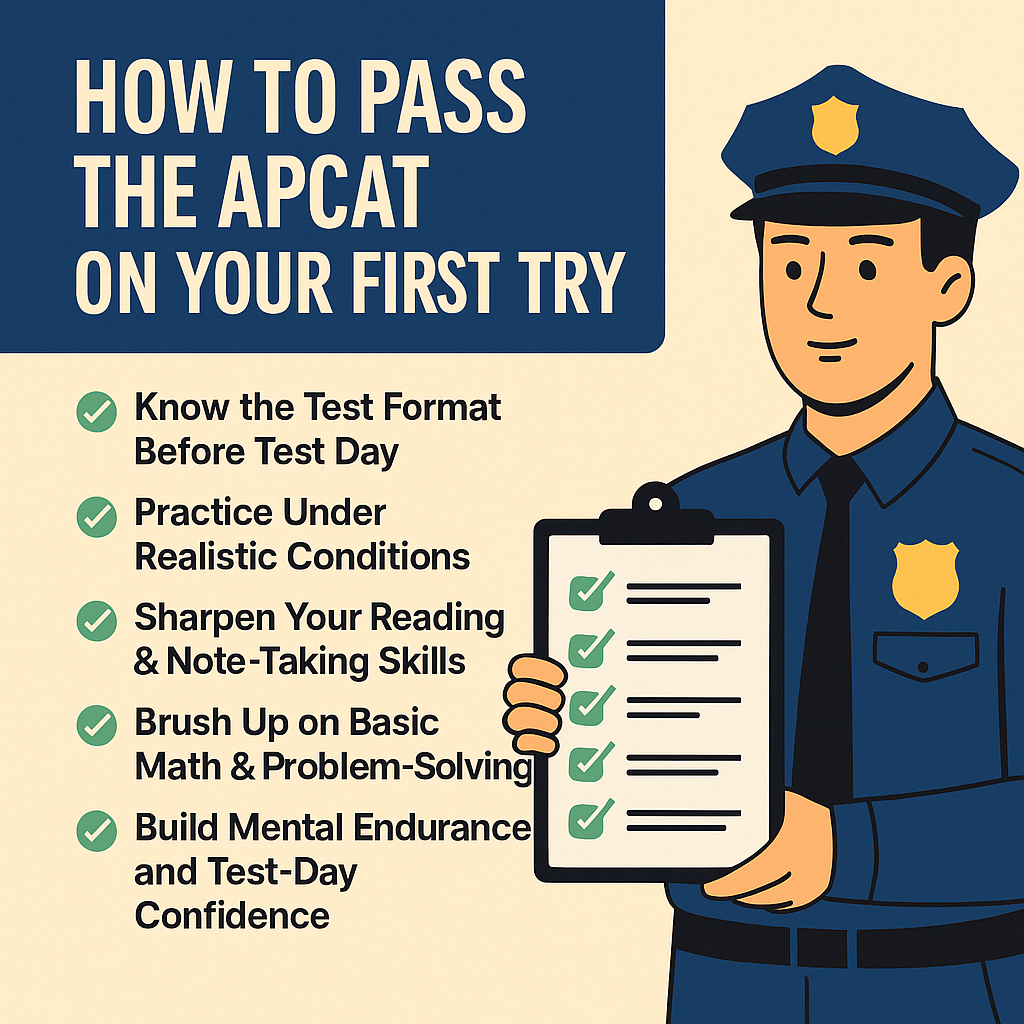
How to Pass the APCAT on Your First Try: 5 Proven Tips
Preparing for the APCAT doesn’t have to feel overwhelming. With the right strategy, you can walk into the exam confident and ready to succeed. In this post, we share five proven tips that will help you pass the Alberta Police Cognitive Ability Test (APCAT) on your first try.

Understanding Your 10(a) and 10(b) Rights: Why They Matter in Policing
This post explores sections 10(a) and 10(b) of the Canadian Charter of Rights and Freedoms, focusing on why understanding these rights is essential in policing. From informing individuals of the reason for their arrest to ensuring access to counsel, these safeguards protect both the integrity of investigations and the professionalism of officers.

Domestic Violence with a Reluctant Victim
Domestic violence is one of the most complex calls officers respond to—especially when the victim is reluctant or unwilling to cooperate. This post breaks down a detailed case study of a domestic assault response, including the police report, legal grounds for arrest, and how officers balance Charter rights with victim safety. Designed as both an educational tool and a real-world example, this case highlights the importance of evidence-based policing, mandatory charge policies, and the professional judgment required in high-stakes domestic incidents.